Best practices for Welcoming God’s Children in the new school year . . .
I’ve been on the road a lot this year, enjoying a variety of podcasts. The Splendid Table had a recent episode about how to throw a successful dinner party. I anticipated descriptions of complex recipes and elaborate table decor. The secret? Plan a simple menu and share it with guests ahead of time. The Mel Robbins Podcast had a recent episode about skincare. I anticipated expensive products and exhausting procedures. The secret? Wash your face and moisturize every night. In today’s oversaturated world of how-to videos, curated images and endless marketing, the advice is liberating– thoughtful planning and consistent practices lead to fun parties and healthy skin. How does this refreshing news relate to formation ministries? As a long-time formation leader, I can affirm that thoughtful planning and consistent practices lead to vitality in Christian formation. In theological language— faithful planning and practices allow the Holy Spirit to move in and enliven a church community.
Introducing . . . Welcome Every Sunday!
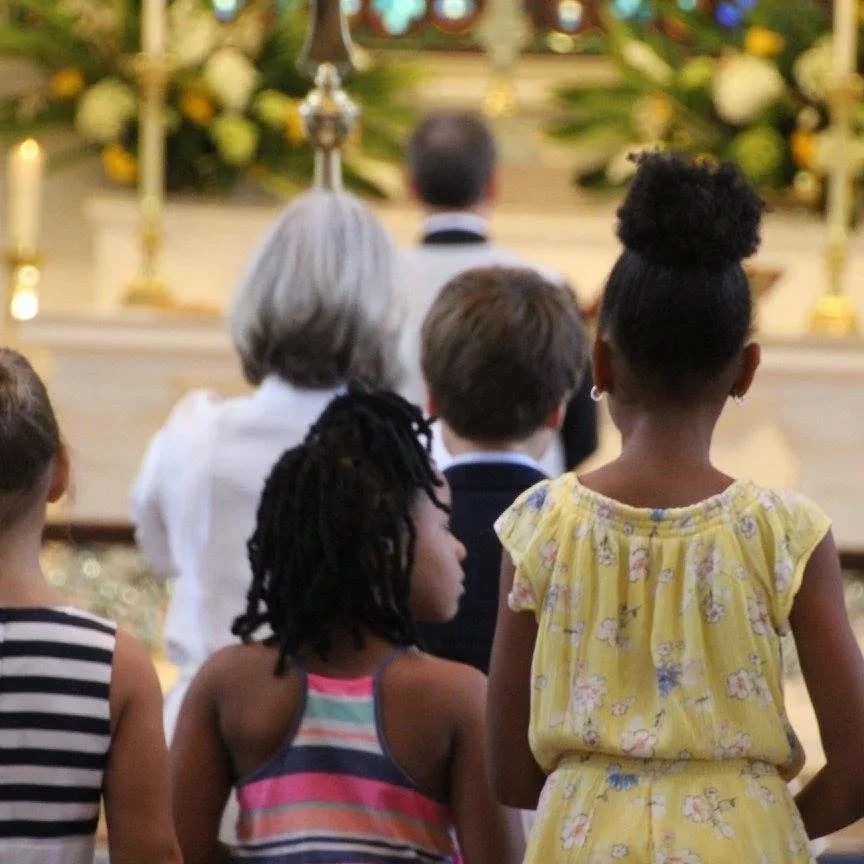
Procession at Christ Church, Savannah, GA
(Photo by Mills Fleming)
As a child and adolescent, I experienced the spiritual enrichment of art-infused liturgy and playing with parables. Until recently, I didn’t realize that I may have grown up during a formation renaissance in the Episcopal Church. Now I recognize that many thought leaders during the 1970s, 80s and early 90s were deeply committed to creative formation endeavors rooted in our liturgical tradition. As a priest and educator, I have naturally brought this love of creative and dynamic formation to the parishes I have served. Involving all ages in liturgical experiences and connecting the generations in creative programs were vital experiences in my own faith formation and to my leadership over the years. The positive impact has been undeniable— participation, vitality and growth in attendance for all ages, no matter the size of the congregation. So how do thoughtful planning and consistent practices present in a parish context?
●Careful study of the calendar (including school schedules, community events, holidays, etc.)
● Careful study of present participants (ages, interests, participation patterns)
● Confident and courageous planning with an eye toward newcomers and growth
●Focused energy, mindful of limitations (in staff, money, physical plant, volunteers)
●Inclusion all ages (as volunteers and participants)
● Supportive curricula
●Strong, continuous pastoral relationships (with volunteers and participants)
● Energetic and clear communication
● Continuous listening, observing and praying
All equally important.
I have created a website to share with anyone on this path. This website is especially helpful for volunteer leaders who are working with children in smaller churches or those who are new to leadership, no matter the size of the congregation. Welcomeeverysunday.org includes detailed, varied lesson plans for ministry with children; I prefer to call them “gathering plans.” The resources reflect the church seasons, creating a sacred experience for the organic gathering of children that is natural to churches. The activities and materials are varied to engage different participants and contexts. Most of the games and crafts are curated from free internet resources— the offerings of other thoughtful formation leaders. However, I have done the theological legwork of tying the activities to a story and season, including the entire script for the gathering. I will continue to add to the website, hoping to reinforce the understanding that every Sunday is an opportunity to host an amazing party for the Holy Spirit. So wash those faces, plan those menus and welcome God’s children (of all ages), every Sunday.
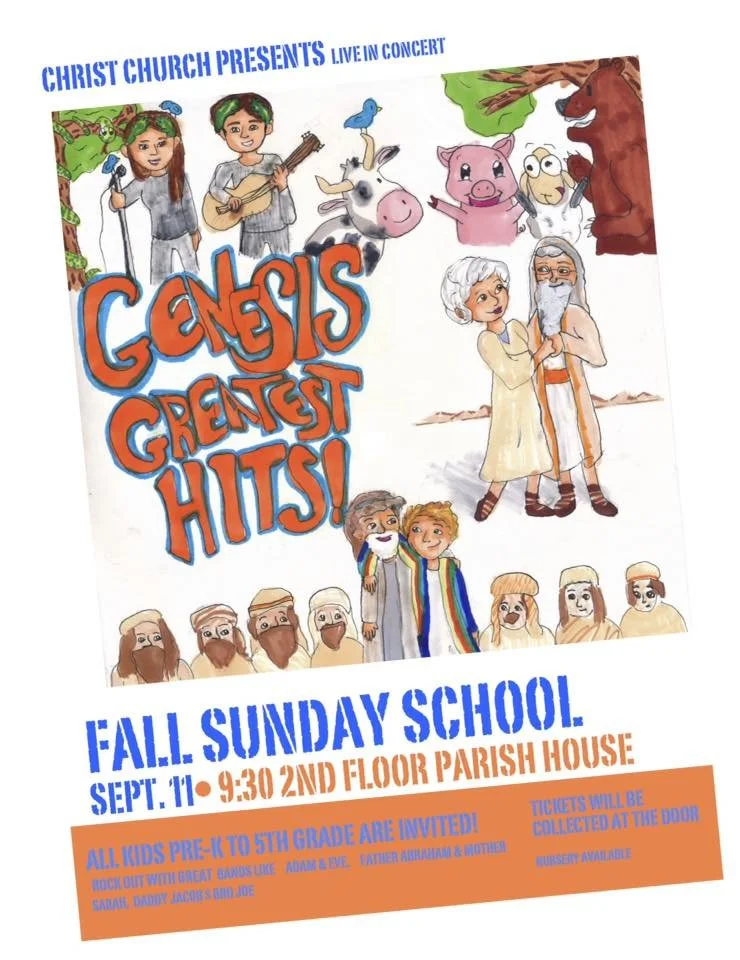
All the children of Christ Church Savannah, GA received tickets and a poster for a concert on the first Sunday of Sunday School. “Genesis Greatest Hits” totally rocked!
(Artwork by Helen Ives)